

Introduction: The Order of Things on the Warehouse Floor
Let us begin with the system itself: a warehouse is a living clock, and every tick is a pick, a scan, a route choice. Robotics software sits at the heart of that motion, binding machines and people into one cadence. Picture a dawn shift—40 mobile robots, 6 docks, 500 orders queuing by region. Last month’s data: 2% downtime, pick rates hovering near 280 lines per hour, and a rash of micro-stalls at merge points (a small cause, a large effect). So the question stands: how does control logic keep the clock from drifting when tasks and traffic spike at once? If you start with software for automated warehouses, you meet a layered stack—planning, execution, and feedback—that must stand firm even when the floor does not.
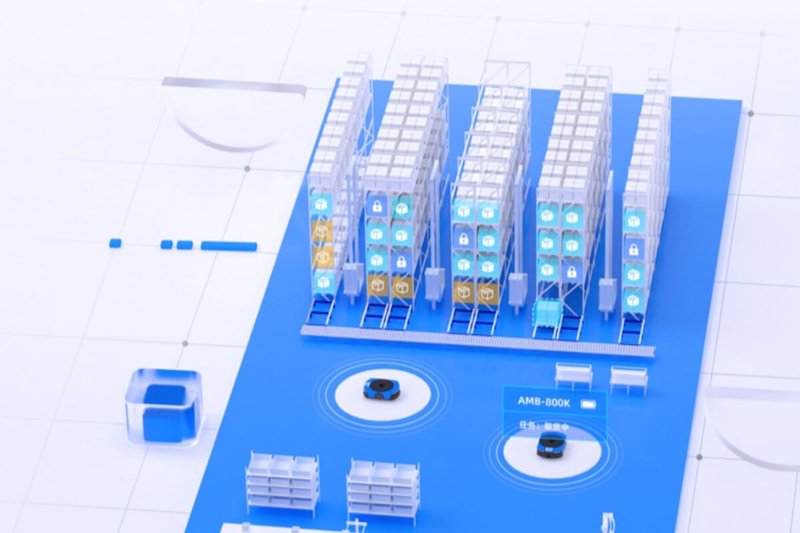
History shows one pattern: gains come when we reduce friction between events and decisions. Yet many still stitch workflows across brittle interfaces, where a queue grows silent and a robot waits for a signal that never comes. We have records, and we have results, but the middle—the moment of choice—remains delicate. Our task is to compare paths, weigh tradeoffs, and ask what design carries forward, and what must be retired. Onward, then, to the deeper layer.
Hidden Frictions: Where Legacy Paths Falter
Where do old systems fall short?
Directly stated: the old chain of command is too long for the modern floor. A WMS assigns, a PLC reacts, and AMRs negotiate by rules that fit yesterday’s traffic. When the aisle clogs, the logic breaks into tiny waits—death by a thousand handshakes. Look, it’s simpler than you think: interfaces without context cause stalls. A tote stops because a sensor changes state, but the system cannot foresee the queue behind it. Standards like OPC UA help, yet context still leaks between layers—routing here, charging there, tasking elsewhere. Operators learn to “nudge” the system with overrides. That is a symptom. Better software for automated warehouses must hold a common world model, so every node makes a decision with the same view. Without that, data arrive, actions fire, and still the floor feels slow. The pain hides in coordination; it is not one machine’s fault, but the system’s lag in seeing itself.
Comparative Turn: Principles That Reset the Baseline
What’s Next
Technical view—new principles, not just new features. First, events should drive everything. An order drop, a battery dip, a lane conflict: each becomes a real-time signal that flows through an event bus. Second, a living map. Digital twins let routing, task allocation, and safety share one state model, updated by SLAM data and station sensors. Third, near decisions at the edge. Edge computing nodes trim round-trip delay and keep work moving when the cloud blinks. Fourth, closed-loop control that learns. Model predictive control can balance charging, traffic, and pick waves—minute by minute. Compare this against the polling-and-queue model of old, and the difference is stark. The new path is context-rich, latency-aware, and resilient under load—funny how that works, right?
This is where software for automated warehouses grows into a true orchestrator. It fuses task planners with fleet intelligence, talks cleanly to power converters and stations, and aligns with ROS or similar frameworks without locking you in. The result is not magic; it is measurable. Fewer merge stalls, fewer manual overrides, tighter dock cycles. We saw how legacy chains delay choices; we now compare on outcomes: faster conflict resolution, stable throughput during spikes, and graceful failure when a node drops—because the state is shared and the plan can heal. Summing up, the floor flows when the system sees, decides, and acts as one.
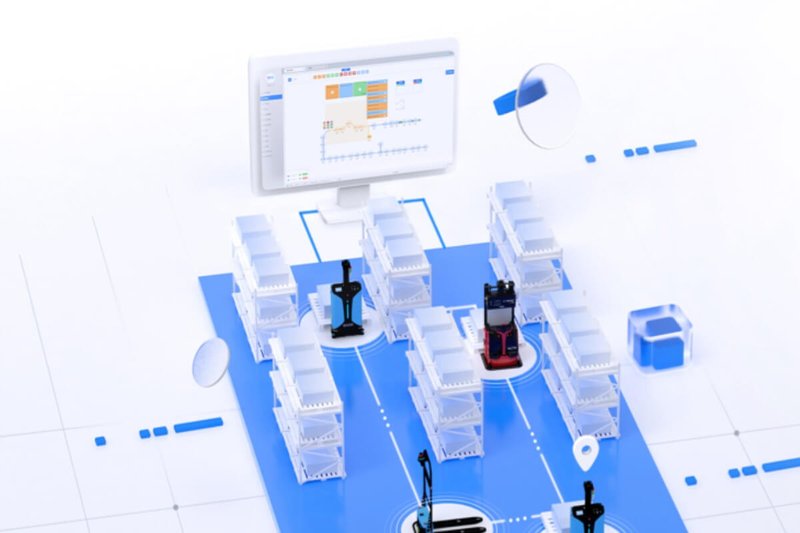
To choose well, use three clear tests. One, orchestration latency under stress: time from event to action during peak waves. Two, adaptability score: breadth of APIs, adherence to open standards, and ease of adding devices over OPC UA or similar. Three, lifecycle cost per unit throughput: not just license, but integration, tuning, and change cost across seasons. Keep these in view—and the comparison writes itself. If you want a steady hand on this evolving field, start with clear measures, then map them to real constraints. Guidance, not hype; people, not just robots; and a system that learns its own rhythm over time. SEER Robotics