
Summer calls for dresses that feel light, breathable, and easy to wear. The best choices are not only about looking stylish but also about staying comfortable when temperatures rise. girl dresses can range from simple cotton daywear to colorful sundresses, relaxed maxi styles, and smart outfits for special occasions. 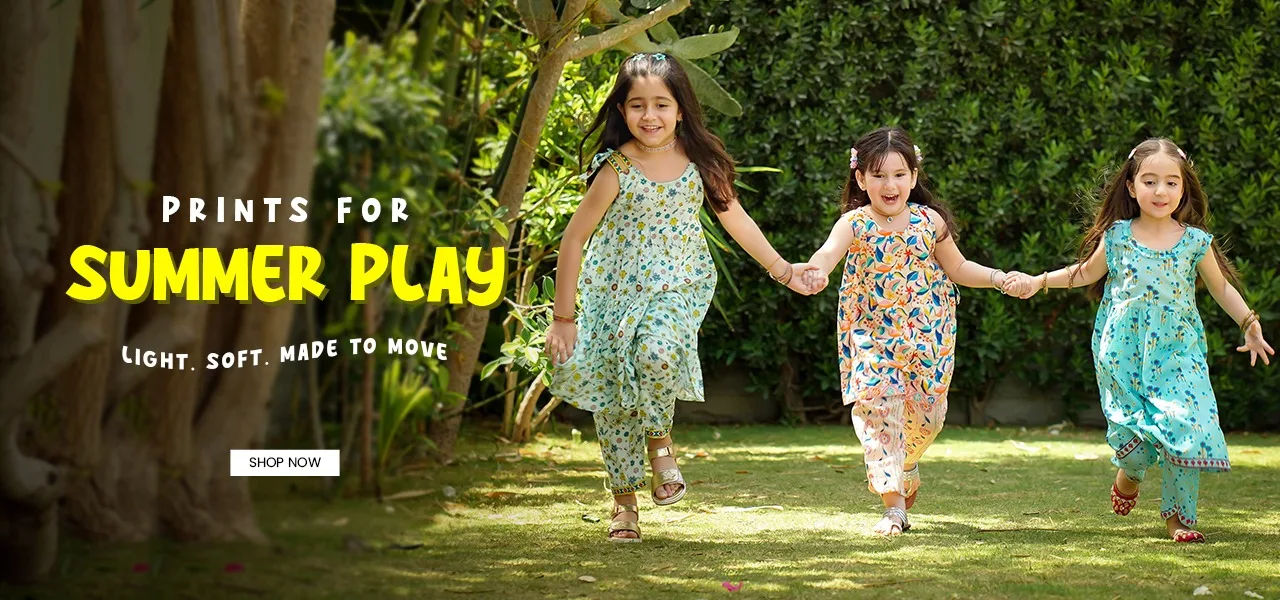 The right choice depends on the weather, activity, fabric, fit, and personal style.
A good summer dress should allow comfortable movement without feeling heavy. Natural fabrics, relaxed silhouettes, lighter colors, and practical designs can make a noticeable difference during hot days. Whether the outfit is for school, a family gathering, a casual outing, or a holiday, there are plenty of options that balance appearance and comfort.
What Makes a Dress Suitable for Summer?
Summer clothing has a different job from winter clothing. Instead of trapping warmth, it should help the body remain comfortable in heat. This makes fabric and construction especially important when choosing girl dresses for warm weather.
Breathability is one of the biggest factors. Fabrics that allow air to move through them generally feel more comfortable than thick materials. Cotton, linen, lightweight lawn, and some breathable blends are popular choices because they can feel cooler against the skin.
The fit matters too. A dress that is extremely tight may feel uncomfortable in hot weather, especially when worn for several hours. Relaxed or gently fitted silhouettes usually provide better airflow and easier movement.
Color can also influence how an outfit feels. Pale shades, soft pastels, white, cream, yellow, light blue, and other bright summer colors are popular because they create a fresh seasonal appearance.
Cotton Dresses for Everyday Summer Wear
Cotton is one of the most practical choices for warm weather. It is comfortable, versatile, and available in many different weights and designs.
Simple cotton dresses work particularly well for everyday activities. A child can wear one for a casual family visit, shopping, a daytime outing, or a relaxed weekend.
Printed cotton dresses are another popular option. Floral patterns, small geometric designs, stripes, dots, and playful motifs can make an uncomplicated dress look more interesting without making it difficult to style.
For very hot days, lightweight cotton is often preferable to heavier cotton fabric. The goal is to find a material that provides coverage while still allowing comfortable airflow.
Why Cotton Works Well
Cotton generally feels soft and comfortable, making it useful for clothing worn throughout the day. It is also available in a wide range of colors and patterns.
Parents may appreciate cotton for practical reasons as well. Everyday dresses can become dirty quickly, so washable fabrics are useful for regular summer wear.
Lawn Dresses for Hot Weather
In South Asian summers, lawn is a particularly familiar fabric. Lightweight lawn dresses can provide a comfortable option when temperatures are high.
Lawn fabric can be used for casual dresses as well as more decorative outfits. Floral prints, embroidered details, delicate borders, and colorful patterns can create attractive summer looks.
The design should still be considered carefully. Heavy embroidery or multiple layers can make an otherwise lightweight fabric feel less suitable for extreme heat.
For everyday use, a relatively simple lawn dress can offer a good combination of style and practicality.
Sundresses for Casual Days
Sundresses are closely associated with summer fashion. They often feature lightweight construction, cheerful colors, and uncomplicated silhouettes.
A casual sundress can be worn during daytime activities, vacations, garden gatherings, or relaxed family outings. Depending on the design, it can be paired with sandals, simple flats, or comfortable sneakers.
Floral sundresses are especially popular during summer. However, plain colors can look equally attractive when combined with interesting accessories.
Choosing the Right Sundress
Look for a design that allows natural movement. A slightly loose skirt can make walking, playing, and sitting more comfortable.
The neckline and sleeve design should also suit the occasion and the wearer's comfort. Sleeveless styles may work for appropriate casual settings, while short sleeves or capped sleeves can provide additional coverage.
Maxi Dresses for Summer
Maxi dresses can look surprisingly comfortable during summer when they are made from lightweight fabric.
Their longer length provides more coverage without necessarily making an outfit warmer. A loose maxi dress can allow air to move around the body, particularly when it has a flowing skirt.
Simple printed maxis are suitable for casual occasions, while embellished versions can be dressed up for gatherings.
When selecting a maxi dress, pay attention to fabric weight. A long dress made from heavy material can feel much warmer than a lightweight version.
A-Line Dresses for Comfort and Movement
A-line dresses are another useful summer choice. They are generally narrower around the upper body and gradually become wider toward the hem.
This shape provides room for movement without looking excessively loose. It can work for both casual and semi-formal occasions.
A-line dresses are available in cotton, lawn, linen, and lightweight blended fabrics. Because the silhouette is relatively simple, the overall appearance can easily be changed through color, print, shoes, and accessories.
For active children, an A-line dress can be especially practical because it does not restrict movement as much as a very fitted design.
Shirt Dresses for a Modern Look
Shirt dresses combine the basic structure of a shirt with the length and shape of a dress. They can provide a slightly more polished summer appearance while remaining casual.
Lightweight cotton shirt dresses are useful for outings where a simple but neat appearance is wanted.
They can be worn with sneakers for a relaxed look or paired with flats for something slightly smarter. A small belt can sometimes be added, although a loose design may be more comfortable in very warm conditions.
Smocked and Loose-Fit Dresses
Smocked dresses have gathered fabric around part of the bodice, often creating a flexible fit. They can be comfortable because the fabric adjusts more naturally to movement.
Loose-fit dresses are another practical choice. They are particularly useful during very warm weather because there is less fabric pressing closely against the body.
However, loose does not have to mean oversized. A dress can have a relaxed silhouette while still maintaining a neat shape.
Summer Party Dresses
Summer events often require something more decorative than everyday clothing. Fortunately, formal summer outfits do not have to be heavy.
Lightweight party dresses can use details such as embroidery, small bows, delicate lace, textured fabric, or subtle embellishment.
Pastel shades work well for daytime celebrations, while brighter colors can create a more energetic appearance.
For outdoor parties, fabric remains important. A beautiful dress made from thick synthetic material may become uncomfortable after several hours in warm weather.
Choosing Dresses for Family Events
For weddings, birthdays, Eid gatherings, and similar occasions, consider how long the dress will be worn.
If the event involves sitting, walking, eating, and playing for several hours, comfort should remain part of the decision. A dress that looks attractive but restricts movement may not be practical.
Light embellishment can often create a festive appearance without adding excessive weight.
Floral Prints for Summer
Floral prints are a classic summer choice. They can range from tiny repeated flowers to large, dramatic patterns.
Small floral prints often create a delicate appearance, while larger flowers can make the outfit more noticeable.
The background color also changes the overall effect. White or pastel backgrounds can create a soft look, while darker backgrounds can provide stronger contrast.
Floral patterns are available across many types of girl dresses, so there is no need to choose a particular silhouette simply because the print is floral.
Light Colors and Summer Styling
Light colors are frequently associated with summer because they create a fresh, bright appearance.
White, cream, peach, lavender, mint, pale pink, sky blue, and soft yellow can all work well. However, summer fashion does not require avoiding dark colors completely.
The more important consideration is the fabric and overall construction of the dress. A lightweight dark-colored dress can still be comfortable.
For children who are particularly active outdoors, practical considerations such as stains and washing may also influence color selection.
Dresses With Short Sleeves
Short-sleeved dresses offer a useful balance between coverage and ventilation. They are suitable for families who prefer more coverage than sleeveless styles provide.
They can also be easier to wear for school, family gatherings, and everyday outings.
Simple short-sleeved cotton dresses are particularly versatile. The same dress can look casual with sneakers or slightly dressier with flats and a small accessory.
Sleeveless Dresses for Appropriate Occasions
Sleeveless summer dresses can provide excellent ventilation in suitable settings.
They are commonly used for holidays, casual outdoor activities, beach trips, and relaxed gatherings. A lightweight cardigan or shrug can be added when extra coverage is needed.
The important thing is to match the design to the occasion. A dress that works perfectly for a family vacation may not be appropriate for school or a formal event.
What Fabrics Should Be Avoided in Extreme Heat?
Not every attractive fabric is comfortable during very hot weather.
Very thick fabrics, multiple heavy layers, and materials that do not breathe well can cause discomfort. Some synthetic fabrics may also feel warm when worn for long periods in high temperatures.
This does not mean synthetic materials can never be used. Lightweight blends can be practical and durable. The key is to consider how the material feels and how the dress is constructed.
Excessive decoration can create another problem. Heavy sequins, thick lining, and multiple layers can make summer outfits unnecessarily warm.
How to Choose the Right Fit
Fit should always be considered alongside fabric.
A dress that is too tight can make movement uncomfortable. It may also feel warmer because the material stays close to the skin.
A dress that is excessively large can create its own problems, particularly for active children. Long or oversized hems can become inconvenient during walking and playing.
The ideal fit allows comfortable movement while maintaining a neat appearance.
Try to consider what the child will actually do while wearing the outfit. A dress for sitting at a family dinner can have different requirements from one intended for a day at a park.
Choosing Dresses for Different Summer Activities
Different activities call for different designs.
For everyday wear, lightweight cotton and lawn dresses are practical. For holidays, sundresses and loose maxi dresses can work well. For parties, lightweight embellished or embroidered dresses can provide a festive appearance.
For outdoor play, simplicity is usually useful. Complicated decorations, very long hems, and restrictive designs can become inconvenient.
For formal family gatherings, an A-line dress with tasteful embroidery or a lightweight printed outfit can provide a polished appearance without excessive bulk.
Summer Accessories for Girls
Accessories should complement the dress rather than make the outfit uncomfortable.
A lightweight hair accessory, small handbag, simple bracelet, or sun hat can complete a summer outfit.
Footwear is equally important. Sandals, flats, canvas shoes, and comfortable sneakers can work depending on the occasion.
For outdoor activities, practical accessories are often more useful than decorative ones. A sun hat, for example, can complement a casual summer dress while providing useful protection from direct sunlight.
How Parents Can Make Better Summer Choices
Parents should consider more than appearance when buying girl dresses.
Think about how frequently the dress will be worn, how easy it is to wash, whether the fabric feels comfortable, and whether the child can move freely.
Children may also have strong preferences about colors, patterns, sleeves, and silhouettes. Allowing them some involvement can make the clothing more enjoyable to wear.
Price is another practical factor. A moderately priced cotton dress that gets worn frequently may provide more value than an elaborate outfit that is uncomfortable and rarely used.
Caring for Summer Dresses
Proper care can extend the life of summer clothing.
Always check the garment's care instructions. Some lightweight fabrics can lose their shape or color if washed incorrectly.
Drying conditions matter as well. Direct, intense sunlight can affect certain dyes over time, so following the manufacturer's instructions is useful.
Storing dresses clean and completely dry can also help prevent unpleasant odors and fabric damage.
Conclusion
The best summer dress is one that combines comfort, breathable fabric, practical fit, and an appearance suitable for the occasion. Cotton, lightweight lawn, linen, and other breathable materials can be excellent choices when temperatures rise.
Sundresses, A-line styles, loose maxi dresses, shirt dresses, short-sleeved outfits, and simple party dresses each have their place. The right option depends on where the dress will be worn and how active the child will be.
When choosing girl dresses, fabric should receive as much attention as color and design. A beautiful print cannot compensate for a dress that feels too hot, restrictive, or uncomfortable. Lightweight construction and enough room for movement are often more valuable than excessive decoration.
Summer clothing should also be practical. Easy washing, durable stitching, comfortable footwear, and suitable accessories can make everyday outfits much easier to manage.
Ultimately, a successful summer wardrobe does not need to contain dozens of different styles. A small selection of comfortable, breathable dresses in versatile colors and patterns can cover casual days, outings, holidays, and family celebrations. By considering weather, activity, fabric, fit, and personal preference together, it becomes much easier to choose dresses that look good and remain comfortable throughout the warm season.