

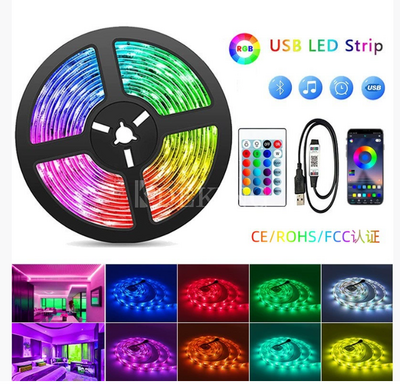
Lighting has undergone significant changes over the centuries, evolving from simple oil lamps to the sophisticated LED technology we use today. Each advancement in lighting technology has brought improvements in efficiency, cost, and environmental impact. The journey from incandescent bulbs to LEDs represents one of the most profound shifts in how we light our homes, offices, and cities. This article explores the key developments that have shaped the lighting industry, focusing on the transition from traditional light bulbs to the modern LED lights that are now the standard DeKingLED.
Early Lighting: Oil Lamps and Gas Lights
Before electricity, people relied on oil lamps and candles for lighting. These early sources of light were inefficient and posed serious fire hazards. Oil lamps were commonly used in homes and streets, while gas lights gradually replaced oil lamps in urban areas during the 19th century. Gas lighting was an improvement over oil, offering brighter and more reliable illumination. However, gas lights still had significant drawbacks, including high operating costs and the potential for harmful gas leaks. Despite these limitations, gas lighting was widely used until the introduction of electric lighting, marking the beginning of a new era in lighting technology.
The Rise of Incandescent Bulbs
The invention of the incandescent light bulb in the late 19th century revolutionized lighting. Thomas Edison is often credited with inventing the practical incandescent bulb in 1879, although several inventors contributed to its development. The incandescent bulb worked by passing an electric current through a filament, which would heat up and produce light. This invention dramatically improved lighting by making it more affordable, efficient, and safe compared to previous options. Incandescent bulbs became the standard lighting source for homes and businesses throughout the 20th century.
Despite their popularity, incandescent bulbs had significant limitations. They were inefficient, converting only about 10% of the energy they used into light, with the remaining 90% lost as heat. This inefficiency led to higher electricity bills and unnecessary energy consumption. As concerns over energy use and environmental impact grew, it became clear that a new, more efficient form of lighting was needed.
The Advent of Compact Fluorescent Lamps (CFLs)
In the 1970s and 1980s, compact fluorescent lamps (CFLs) emerged as a more energy-efficient alternative to incandescent bulbs. CFLs use a different technology, passing electricity through a gas to produce ultraviolet light, which then causes a phosphor coating inside the bulb to emit visible light. This process allows CFLs to use much less energy than incandescent bulbs while still providing a comparable amount of light. CFLs were a significant step forward in terms of energy efficiency, and their introduction helped reduce electricity consumption and costs for both consumers and businesses.
However, CFLs still had some drawbacks. They contained small amounts of mercury, which posed environmental and health risks if the bulbs were broken or improperly disposed of. Additionally, CFLs took longer to warm up to full brightness and did not work well in certain applications, such as dimming lights or outdoor fixtures in cold weather. As a result, CFLs were seen as a temporary solution, with many looking for a more efficient and environmentally friendly alternative.
The LED Revolution
In recent years, light-emitting diodes (LEDs) have emerged as the most energy-efficient and environmentally friendly lighting option. LEDs work by passing current through semiconductor material, which emits light when energized. Unlike incandescent and fluorescent bulbs, LEDs do not rely on filaments or gases to produce light, making them much more durable and efficient. LED technology has advanced rapidly in recent decades, offering brighter, more reliable, and longer-lasting lighting solutions for a wide range of applications.
One of the main advantages of LEDs is their energy efficiency. LEDs use at least 75% less energy than incandescent bulbs and last up to 25 times longer. This efficiency translates into lower energy costs for consumers and reduced environmental impact. LEDs also generate very little heat, which further reduces the risk of fire hazards and makes them more suitable for use in a variety of settings. In addition, LEDs are highly versatile, available in a range of colors and brightness levels, and capable of being integrated into smart lighting systems.
The Future of Lighting: LEDs and Beyond
The shift from incandescent bulbs to LEDs has dramatically changed the way we think about lighting. LEDs are not only more energy-efficient, but they also offer greater flexibility and functionality, paving the way for innovations in smart homes and sustainable urban design. The ongoing development of LED technology promises even more improvements, such as better color accuracy, increased energy savings, and greater integration with renewable energy sources.
Looking ahead, we may see the development of even more advanced lighting solutions, such as OLEDs (organic LEDs), which offer the potential for ultra-thin, flexible light panels. These technologies could further enhance the possibilities for energy-efficient and aesthetically pleasing lighting in a wide variety of settings, from homes to public spaces. As lighting continues to evolve, the focus will likely remain on sustainability, energy efficiency, and reducing the environmental impact of lighting systems.